
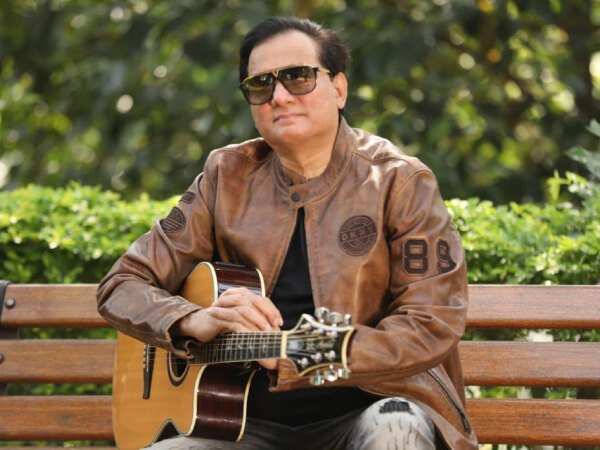
Beyond Cinema Beyond Melody: Lalit Panditâs Spiritual Journey With Sai Naam Sancha
Having worked with legendary voices such as Lata Mangeshkar, Asha Bhosle, Udit Narayan, Alka Yagnik, Hariharan, Kumar Sanu and many others, Lalit Pandit has consistently believed that melody must outlive trends. His music has never relied on fashion. Instead, it has found permanence through emotional honesty.
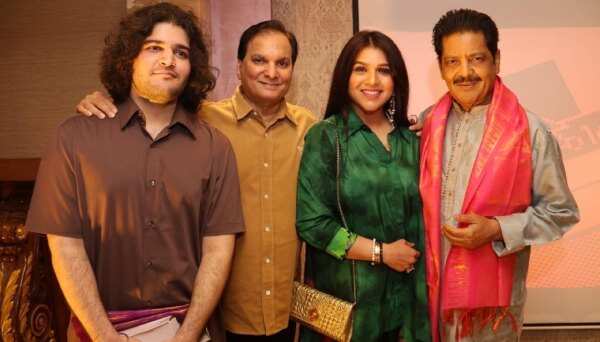
Now, after decades of composing for cinema, he has turned towards a deeply personal spiritual journey with ‘Sai Naam Sancha’, one of his first devotional offering dedicated to Shirdi Sai Baba. Released on the auspicious occasion of Guru Purnima, the bhajan brings together an extraordinary ensemble of voices including Udit Narayan, Hariharan, Shaan, Javed Ali, Bela Shende, Akasa Singh, Saanjali Khadikar, Sarika Kansara, Swar Sharma and Lalit Pandit himself. Penned by Alok Ranjan Jha, the composition reflects both devotion and inclusivity by uniting celebrated artistes with emerging talent.
In this exclusive conversation with Rhythm Wagholikar, Lalit Pandit reflects on faith, music, mentorship and the quiet conviction that inspired one of the most personal compositions of his career.
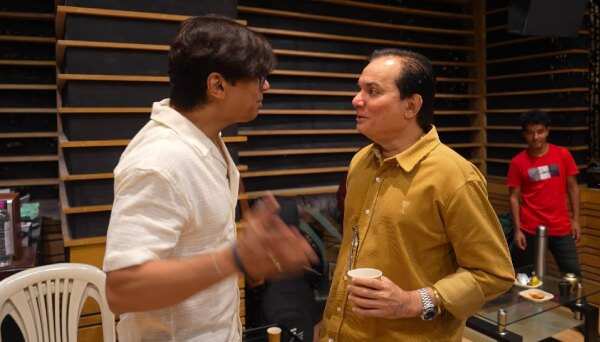
Lalit Pandit: The thought had been with me for many years. I had always wanted to compose a bhajan dedicated to Sai Baba but somehow the right moment never arrived. Although I have composed music across many genres, I had never created a devotional composition centred on Sai.
I never wanted this to become just another devotional release. My intention was to create something that would stay with listeners for years. I spent a lot of time refining the melody until I felt every phrase carried the emotion I wanted to express. Only then did I begin recording it.
“Sai Baba symbolises truth, compassion and selflessness.”
His life was dedicated to helping others. There are countless stories of people finding hope, healing and strength through his blessings. Whatever spiritual power he possessed was always used with compassion and never for personal gain.
When I say Sai Naam Sancha, I am speaking about the enduring truth that sincere faith has the power to transform lives. Remembering Sai with complete devotion brings inner peace and strength. That thought became the foundation of this composition.
“A composer should never allow genres to limit imagination.”

I never approached this thinking that devotional music has to sound slow or follow a particular tradition. I simply composed the music that felt right to me.
I was not thinking about commercial success or trying to imitate an established devotional style. My only focus was Sai Baba and creating melodies that would touch people’s hearts.
“I wanted this bhajan to belong to every generation.”
Lalit Pandit: That decision came very naturally.
I wanted people from every generation to feel connected with this bhajan. The legendary singers bring experience,
Fortunately, every artiste I approached agreed immediately. That affection and respect means a great deal to me.
“These relationships have been built over decades.”
Lalit Pandit: It always feels special because these are relationships that have grown over many years.
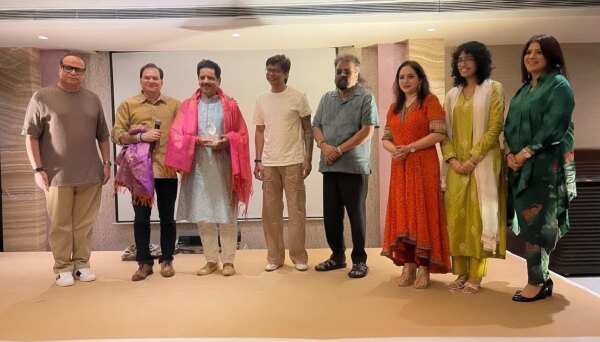
Working with all of them never feels like work. It feels like coming together as a musical family.
“I wanted my own voice to become part of this prayer.”
Lalit Pandit: Yes, absolutely. I wanted my own devotion to become a part of this offering. This bhajan is deeply personal to me and I felt that if I was creating it with so much faith, my own voice should also find a place in it.
When the recording was completed and everyone had come together for this composition, I felt a deep sense of fulfilment. For me, creating Sai Naam Sancha was never just another project. It was something I had promised myself I would do one day. Today, I feel grateful that I could finally fulfil that promise.
“Every generation deserves encouragement.”
Lalit Pandit: I genuinely enjoy working with young artistes. Contrary to what many people believe, I have found the newer generation to be talented, sincere and remarkably humble.
Every generation brings a fresh perspective. Their way of thinking is different from ours and that should be appreciated instead of criticised. Music grows only when new ideas are welcomed.
Our industry has never been easy. Jatin and I also struggled for opportunities. We know how difficult it is for a newcomer to receive even one meaningful chance. If we are in a position to help someone begin that journey, we should certainly do it.
That was one of my biggest motivations behind this bhajan. I wanted legendary singers and emerging voices to stand together on the same platform. Music should unite generations rather than separate them.
They achieved everything a musician could dream of and yet remained incredibly simple as human beings. Every meeting with Lataji or Ashaji became a lesson, not only in music but also in life.
Jatin and I consider ourselves fortunate that we composed many songs for Lataji during the final decade of her remarkable recording career. That itself is one of the greatest blessings we have received.
I often feel that the blessings of our seniors continue to guide us even today. Relationships in music never truly end. They simply continue through newer generations.
“Working with the third generation of musical families feels like receiving the blessings of our seniors.”
Lalit Pandit: It gives me immense happiness because I see tremendous sincerity and humility in these young artistes. People often misunderstand today’s generation, but the youngsters I have worked with are exceptionally talented and deeply respectful. They come from wonderful families and have inherited not only musical ability but also strong values.
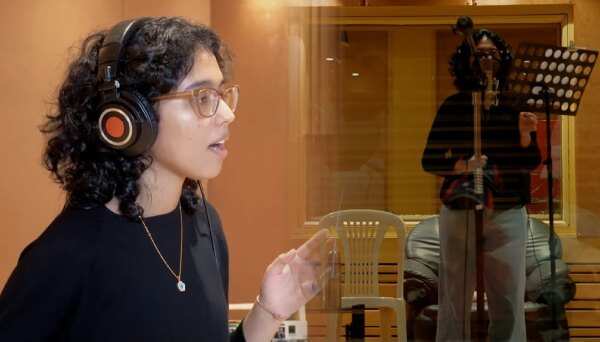
Sometimes I think these relationships never truly end. They simply continue through the next generation. Today we are working with Saanjali and tomorrow perhaps my sons may also work with her. That continuity of music and affection is itself a blessing.
The same applies to young artistes like Swar Sharma. They represent the future of Indian music. When experienced musicians and younger voices come together, they learn from one another. That exchange is invaluable and I wanted Sai Naam Sancha to reflect exactly that spirit.
“I admire the confidence of Generation Z.”
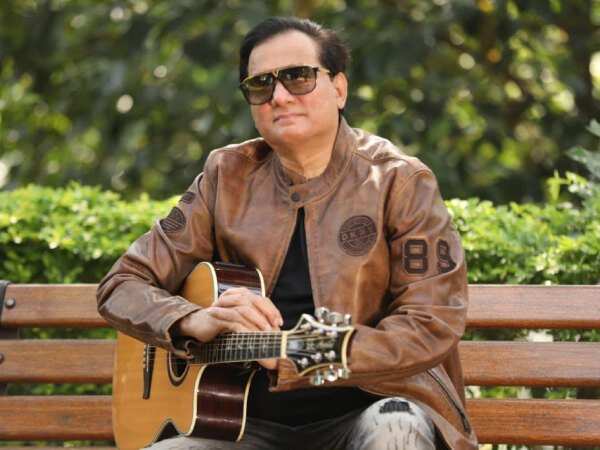
During our time, we were constantly anxious about getting work. The younger generation has a different kind of confidence. They know what they want and they are prepared to work for it.
As parents, we naturally hope our children remain grounded even as they grow professionally. That is something my wife and I have always tried to teach them.
Watching Rohan and Abir begin their musical journey gives me immense happiness. They have started with a wonderful opportunity and I hope they continue to learn with humility because that is the greatest quality any artiste can possess.
“Guru Purnima was the perfect blessing for this release.”
Rhythm Wagholikar: The bhajan was released on Guru Purnima. Was that always part of the plan?
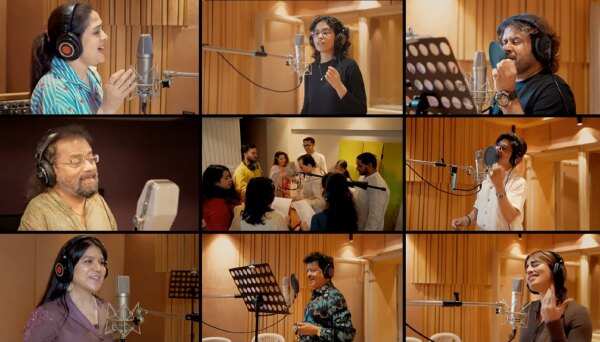
Looking back, I truly believe it happened because of Sai Baba’s blessings