
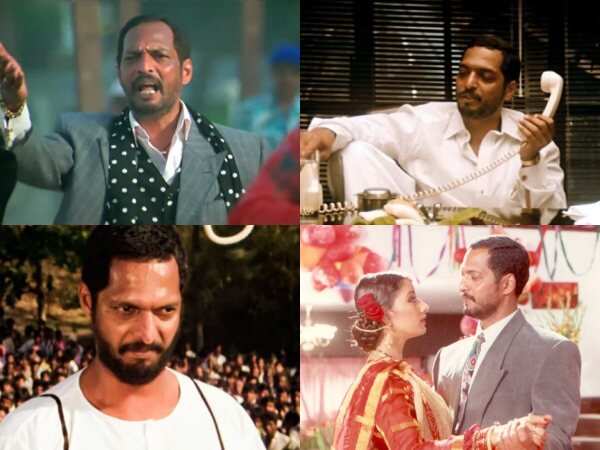
Remembering Nana Patekarâs Best Films: Parinda Krantiveer Welcome and More
Some actors walk into a scene. Nana Patekar arrived like weather. Say his name and you hear the rasp before you see the face: the clipped menace, the sudden crack of tenderness, the silence he could stretch until a whole theatre leaned forward. For nearly five decades, across Hindi and Marathi cinema, he gave us the gangster we feared, the soldier we saluted, the father who broke our hearts and the don who made us laugh at weddings.
When he won his first ever Filmfare Award for Parinda, he declared on stage that as he sat in the audience, his mind wandered and he contemplated if such honours were rigged for the winner. But when he won the award and accepted it on stage, he realised these awards are fair. Only Nana Patekar could pull something as complex as this situation off with absolute nonchalance. Having passed away today, he leaves behind a body of work that still thunders. Here is a celebration of the roles that made him Nana.
In This Article
Parinda (1989)
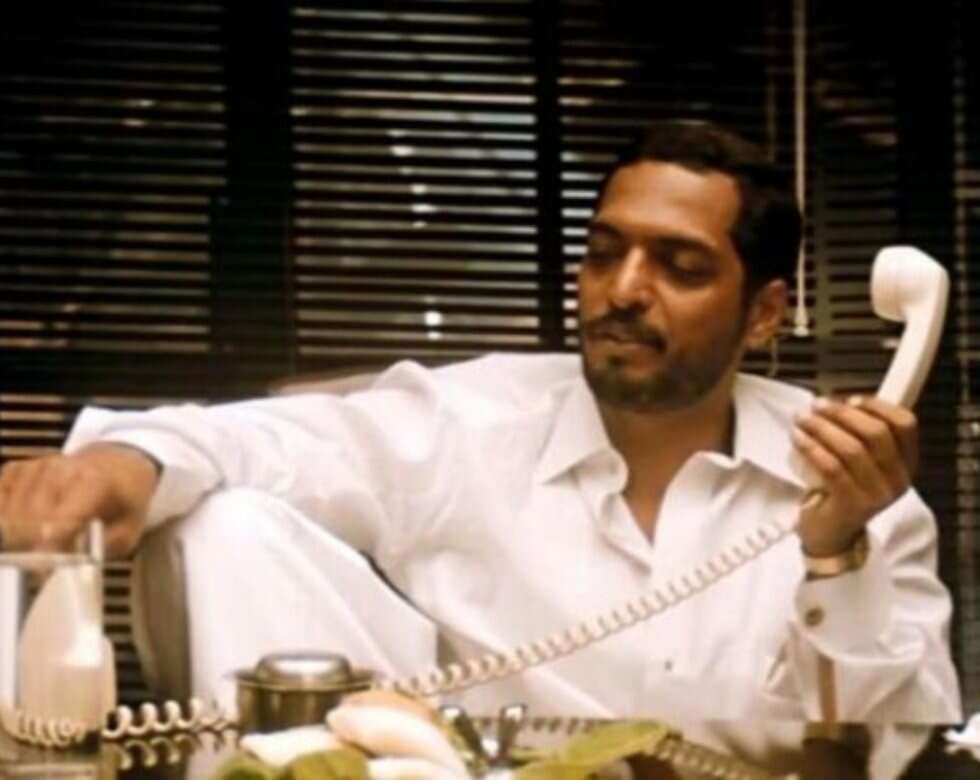
Vidhu Vinod Chopra’s noir gave Nana his defining early role, and he turned Anna into something rare: a villain with a moral rot you could almost understand. He never plays Anna as a cartoon. The charm is genuine, which makes the cruelty land harder. Parinda still feels modern because Nana refused to signal evil. He simply lived it, quietly and unnervingly.
Angaar (1992)
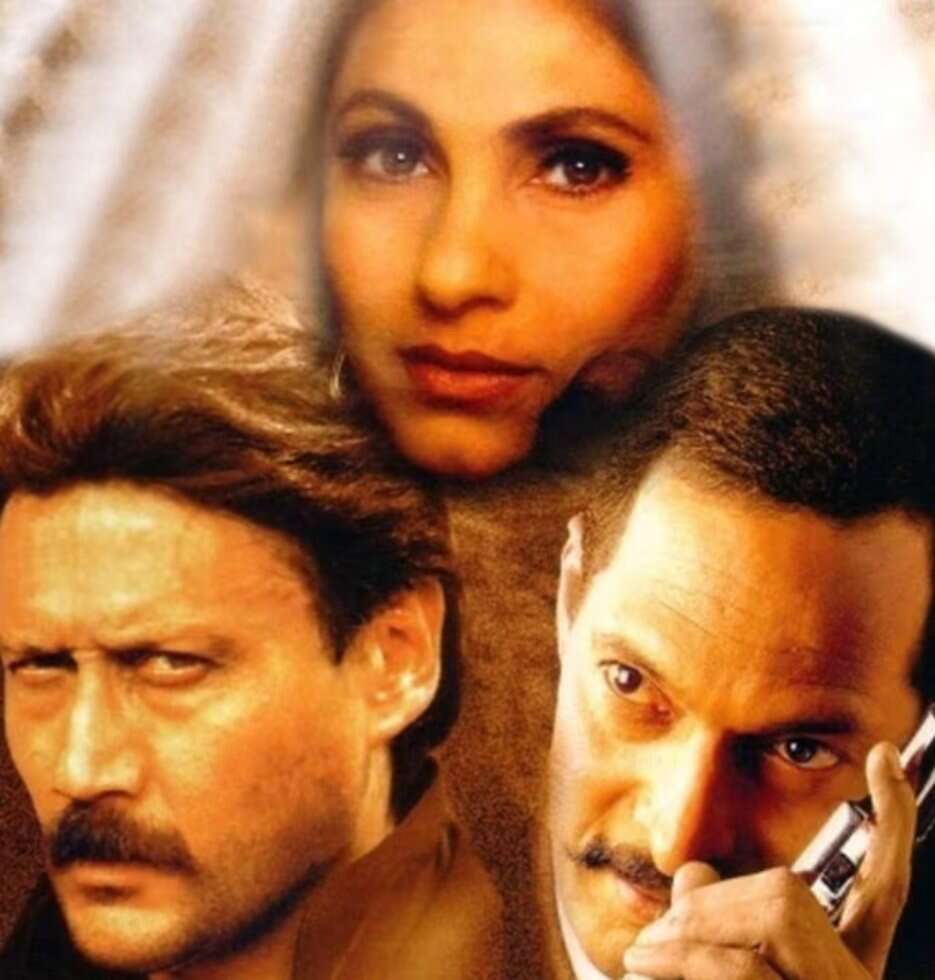
Shashilal K. Nair’s urban crime drama pits Jackie Shroff’s slum-dweller against a ruthless builder lobby, and Nana’s Majid Khan gives it its coiled menace. He plays the businessman-gangster with a cold, watchful calm that makes every threat sound like a signed contract. The performance earned him his first Filmfare Best Villain award and proved Parinda was no one-off.
Krantiveer (1994)
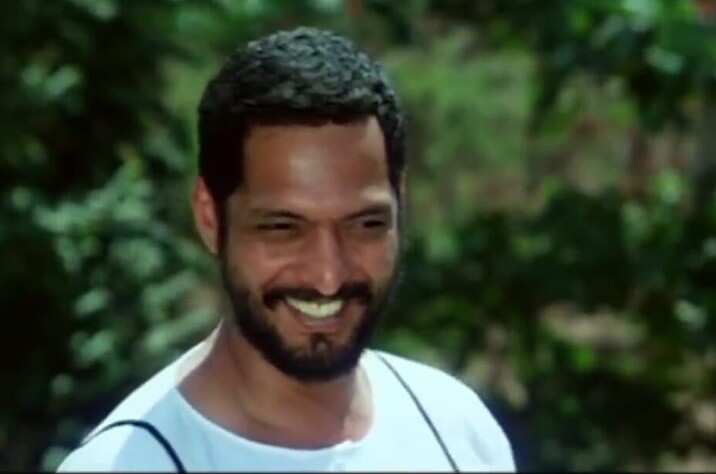
Here Nana became the voice of a nation’s frustration. As Pratap Narayan Tilak, a cynic awakened to conscience, he carried a mass entertainer on sheer conviction. His speeches work because they don’t sound written. They sound lived. He gave the film its spine and its sermon, and it earned him a National Award for Best Actor. It remains the high-water mark of his angry-citizen persona.
Agni Sakshi (1996)
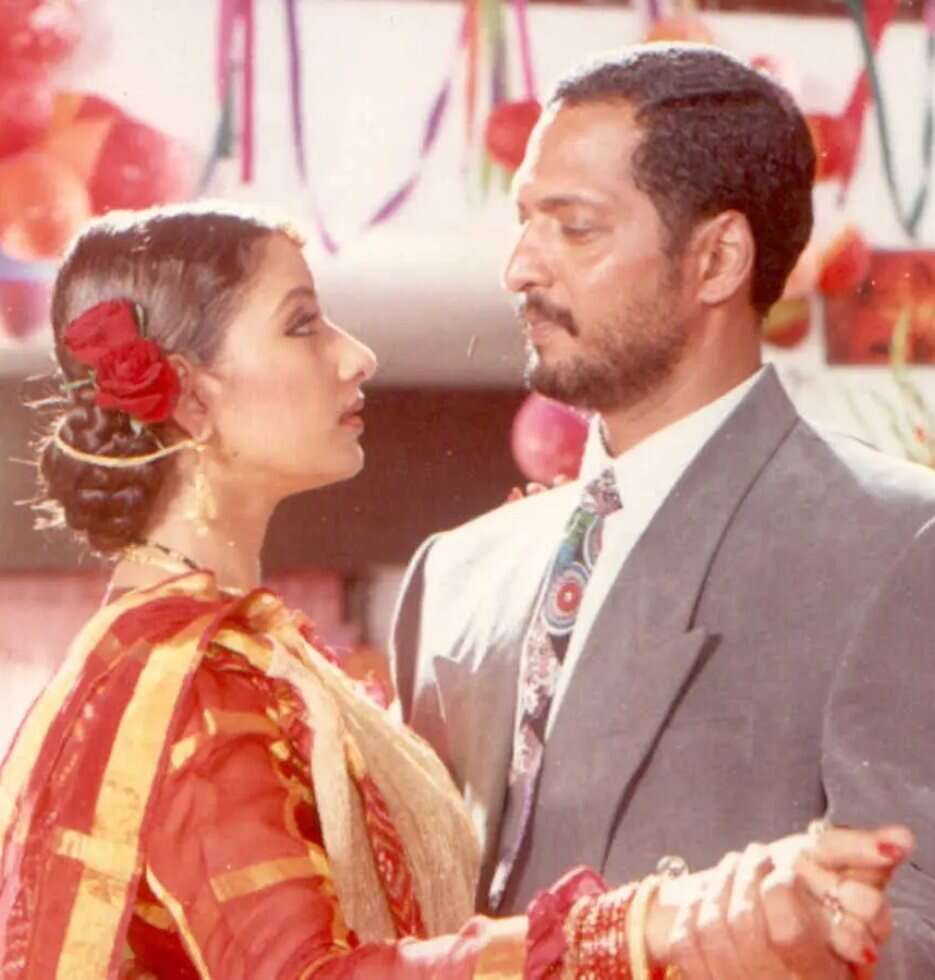
Shivam Nair’s thriller asked for a monster, and Nana built one out of stillness. His obsessive husband isn’t loud. He is controlled, polite and terrifying. The performance works because Nana understood that real menace hides inside normalcy. Often you fear him most in the scenes where he barely moves. It is one of Hindi cinema’s most unsettling portraits of domestic control.
Khamoshi: The Musical (1996)
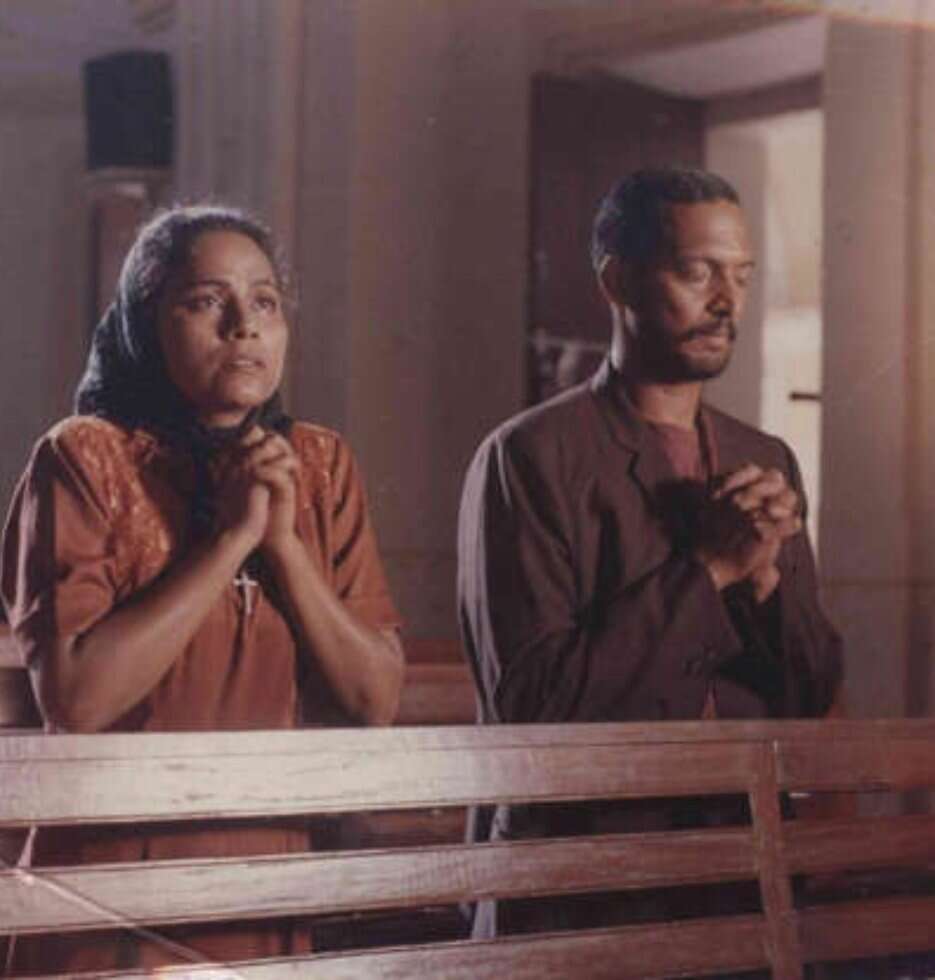
In Sanjay Leela Bhansali’s debut, Nana does something remarkable: he goes quiet. Playing Joseph, a deaf father devoted to his daughter, he swaps his thunder for gesture, glance and silence. His warmth anchors the film’s emotional world, and the tenderness he finds here is the best argument for his range. A voice famous for volume proved just as powerful when muted.
Shakti: The Power (2002)
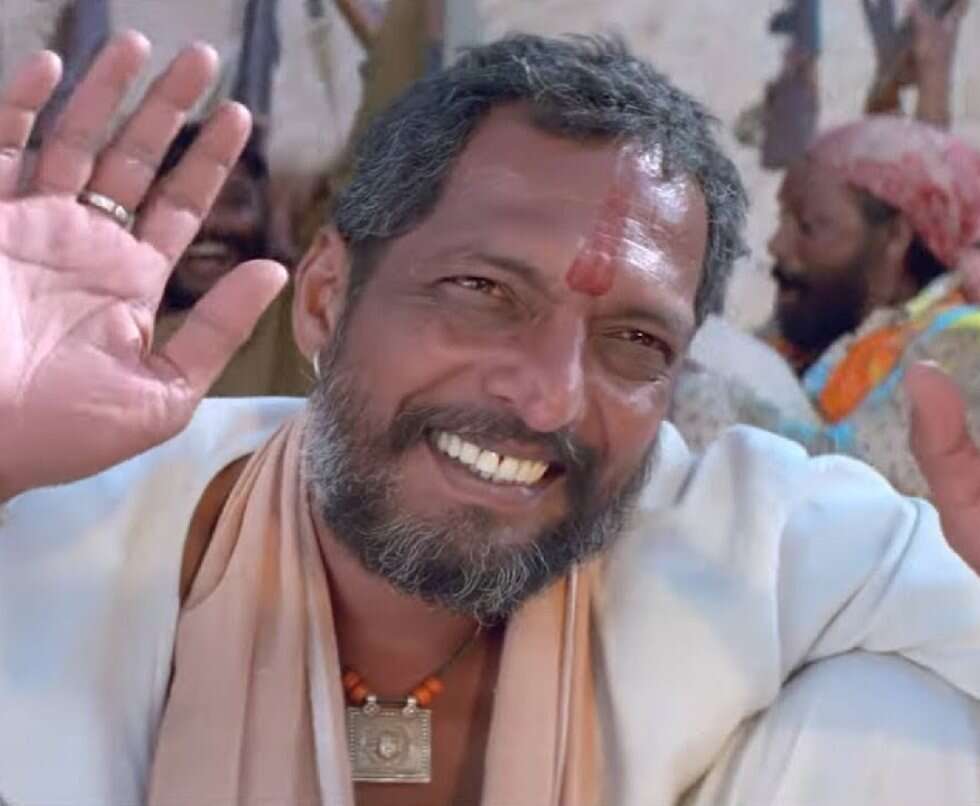
In a film built around spectacle, Nana supplies the sheer force of personality. As Narasimha, he plays a patriarch whose authority fills every room, with a ferocity that masks a father’s fear. He gives the drama its dangerous centre of gravity, and his scenes crackle with the feeling that violence is only one wrong word away. He turns a big commercial canvas into a character study.
Ab Tak Chhappan (2004)
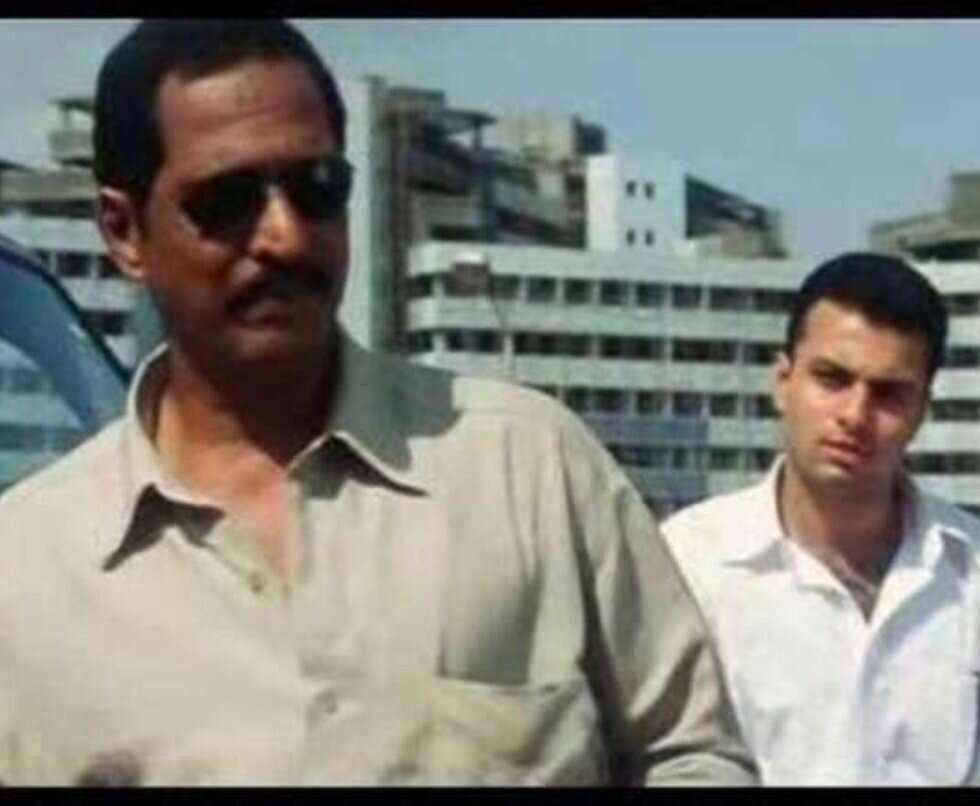
Shimit Amin’s procedural found its soul in Nana’s Sadhu Agashe, an encounter specialist wearied by the violence he commands. He brings a lived-in exhaustion that no script could supply: the flat delivery, the tired eyes, the moral fog. Nana made the cop human without making him a hero, and he set the tone for realistic police dramas that followed. Even the sequel couldn’t escape his shadow.
Welcome (2007)
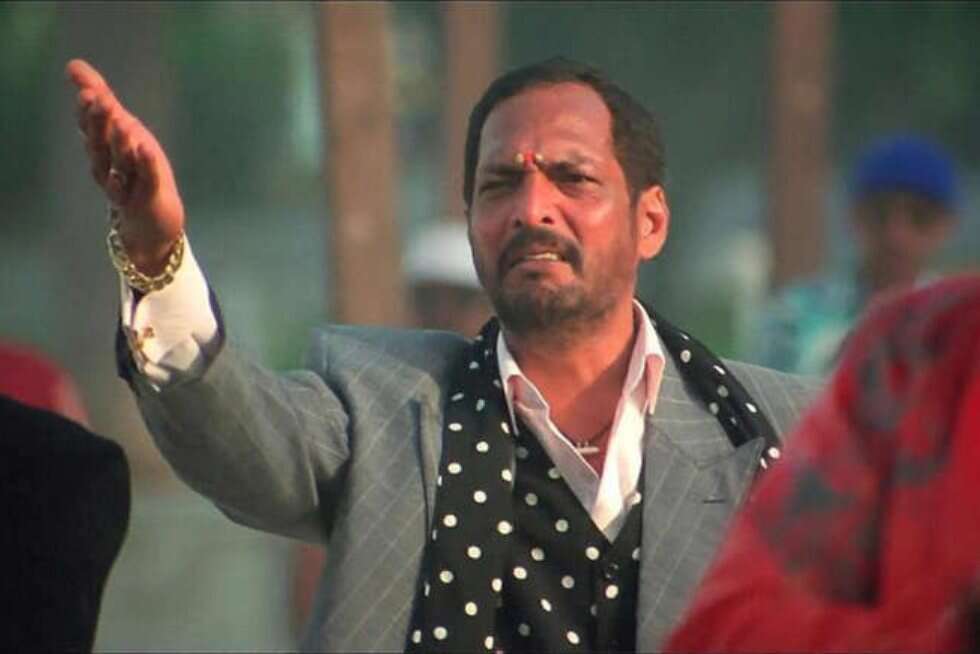
For a generation, Nana is Uday Shetty. In Anees Bazmee’s riotous comedy, he took the don who wants a respectable life and played him with such deadpan seriousness that the absurdity doubled. His comic timing proved that a master of intensity could also be a master of laughter. Uday Shetty became a meme before memes were mainstream, and Nana’s straight-faced gravity is why it endures.
Raajneeti (2010)
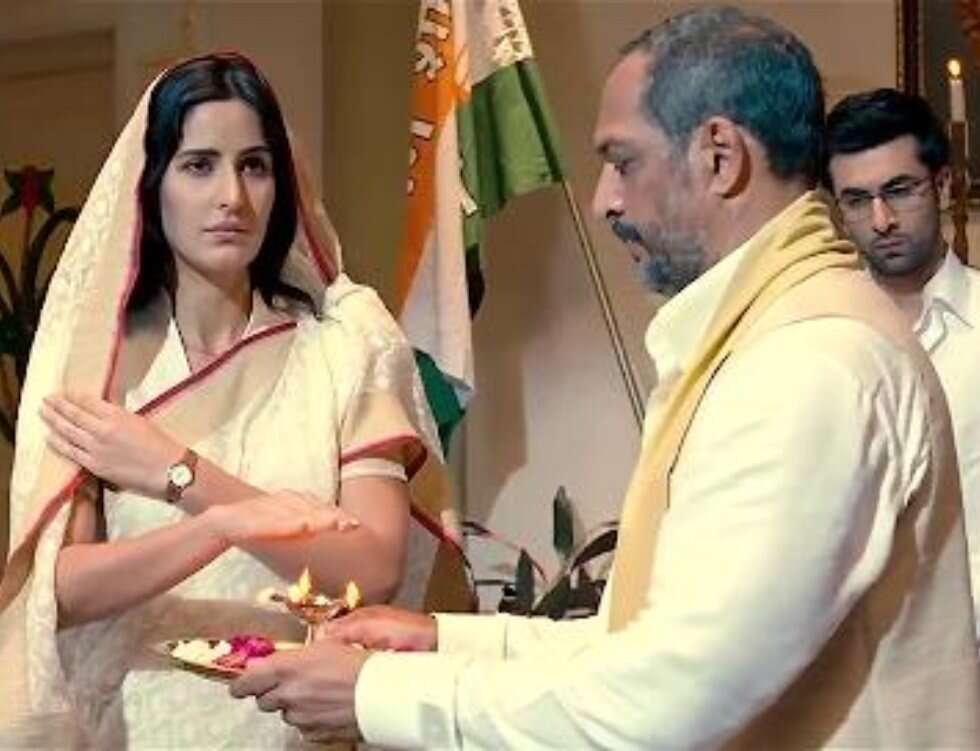
Prakash Jha’s Mahabharata-inflected political saga gave Nana one of his sharpest late-career turns. As Brij Gopal, the strategist whispering behind the throne, he plays power as a chess game, calm, calculating and always three moves ahead. There is no thunder here, only a quiet, chilling intelligence. Surrounded by a young, glossy ensemble, he supplies the film’s brain and its conscience-free cunning.
The Attacks of 26/11 (2013)
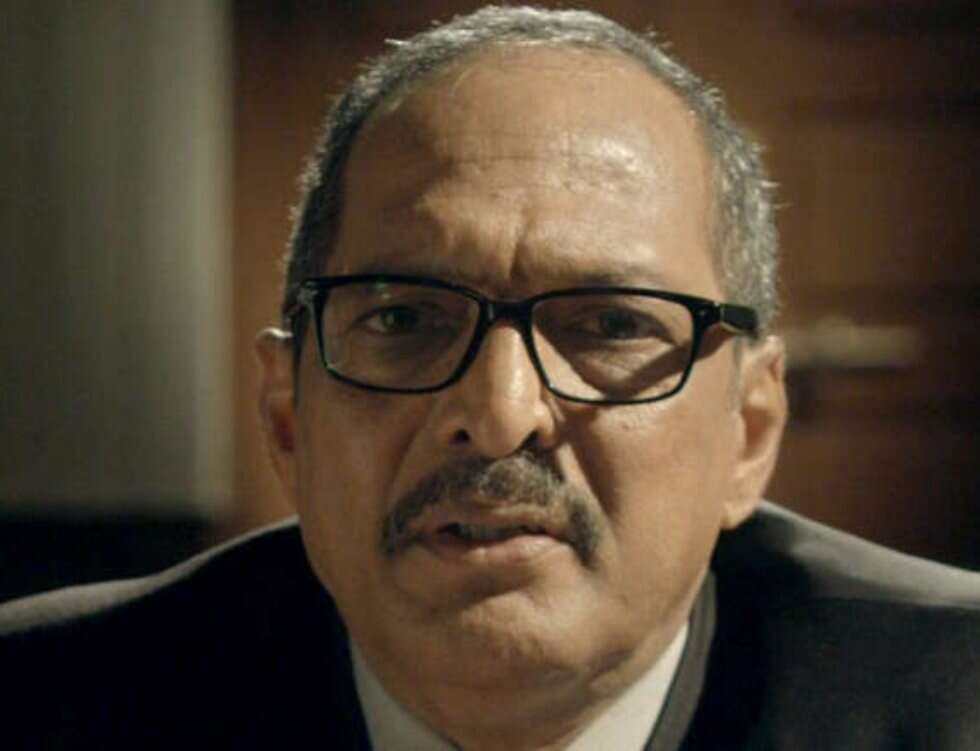
Ram Gopal Varma’s film reconstructs one of the darkest nights in Mumbai’s history, and Nana gives it its moral anchor. As a character inspired by Mumbai’s ex-Joint Commissioner Rakesh Maria, he narrates the story through the investigation, and his restraint is the point. There’s no showboating, only a weary authority and the quiet weight of a city’s grief. His underplayed gravity lends a stark, procedural film its dignity.
Natsamrat (2016)
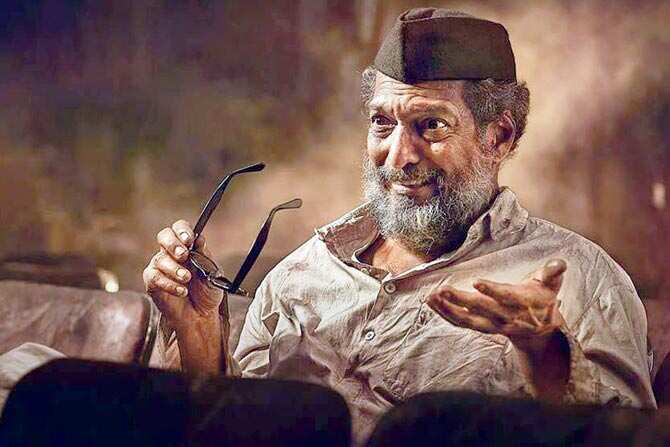
Mahesh Manjrekar’s Marathi drama, adapted from the celebrated play, gave Nana a role that felt like a lifetime’s craft compressed into one performance. As the retired stage king Ganpatrao Belvalkar, he is magisterial, then broken, then heartbreaking. Every scene is a masterclass in controlled collapse. It is both his love letter to theatre and a reminder of how profoundly he understands the stage.
Nana Patekar never entered a frame quietly, and he never left one unchanged. The screen has gone still, but the weather he made is still in the air. Every time a villain pauses before he speaks, or a hero lets silence do his shouting, that is Nana’s inheritance.
Also Read: Veteran Actor Nana Patekar Passes Away At 75 After Cardiac Arrest